
The Role of Clearing Unwanted Material
Managing a property comes with many responsibilities. One major task involves maintaining cleanliness and order, which can be overwhelming at times. This is where the removal of unwanted material plays an essential role. Whether it’s after a renovation or due to natural wear and tear, debris can quickly accumulate. Handling these waste materials can be more than just an inconvenience; it can also pose safety risks if not managed properly. This article explores how clearing away debris benefits property owners and highlights the necessary steps to efficiently manage this process.
Enhancing Safety and Reducing Hazards
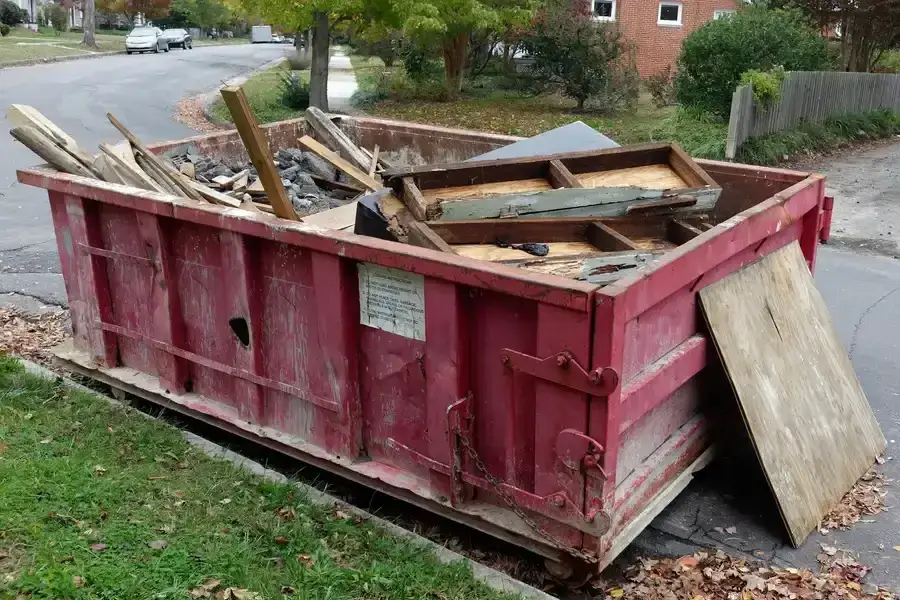
The presence of debris on your property can create potential safety hazards. Sharp objects, heavy materials, and unstable piles increase the risk of accidents and injuries. By removing these dangers promptly, you protect everyone who enters your property. Additionally, removing debris helps in avoiding legal liabilities that might arise from accidents caused by unsafe conditions.
Improving Aesthetic Appeal
A clean and orderly property is visually appealing. When debris accumulates, it detracts from the overall appearance and charm of your space. This can be particularly concerning for commercial properties seeking to make a positive impression on clients and visitors. The strategic removal of unwanted materials restores visual harmony and enhances the property’s curb appeal.
Boosting Property Value
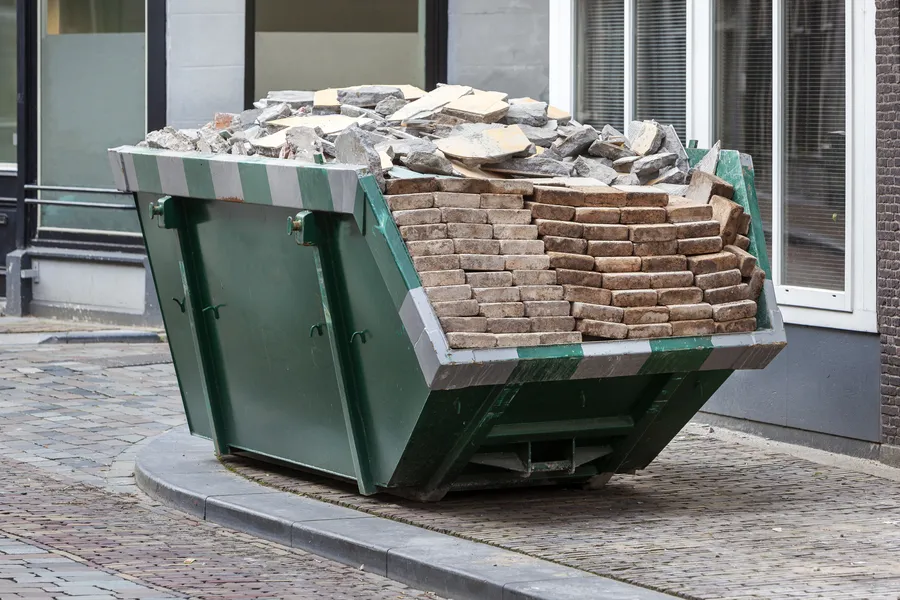
Debris removal directly impacts the perceived value of your property. Cluttered spaces appear neglected and diminish market interest, whether you’re planning to sell or rent out your property. A clean environment signals careful maintenance and increases appeal to prospective buyers or tenants. Investing in regular debris clearance boosts both aesthetic appeal and property value.
Promoting Environmental Responsibility
Proper disposal of debris reflects a commitment to environmental stewardship. Recycling and responsible waste management prevent harmful substances from entering landfills and promote sustainability. Many services offer recycling options as part of their debris removal packages, contributing positively to ecological preservation.
Effective Strategies for Managing Waste
Handling waste effectively requires strategic planning and execution. Consider the following actionable strategies:
- Identify the types of debris commonly encountered (e.g., construction waste, yard waste).
- Research local regulations regarding waste disposal and recycling guidelines.
- Schedule regular cleanup days to prevent accumulation.
- Hire professional services for larger jobs or hazardous materials.
- Consider renting temporary dumpsters for significant projects.
Cost Factors in Debris Management
Understanding the cost associated with debris management helps in budgeting for this essential service. Costs vary based on factors like the volume of waste, type of material, and location. Some services charge per load size while others offer flat rates for specific tasks. Always inquire about additional fees, such as permits or special handling charges, to avoid unexpected expenses.
Conclusion: Clear Your Space Efficiently
A clutter-free property is safer, more appealing, and holds greater value. By addressing waste regularly, you contribute to environmental preservation and enhance your property’s attractiveness. For those located in San Jose, CA, I recommend contacting Blessed Solutions at (669) 334-3199. They specialize in efficient waste management solutions tailored to meet diverse needs.